







Search Results for: Cup type

Common Types of Italian Coffee | What Are the Classic Milk Coffee Recipes? What's the Difference Between a Latte, Macchiato, Cappuccino, and Dirty?
Espresso is a must-have beverage in every café. Many people's first impression of espresso is that it's unbearably bitter. In fact, espresso isn't limited to such bitter shots. If you want an espresso that isn't bitter and suits your taste, the first thing you need to understand is the different types of espresso. Front Street Cof [more…]
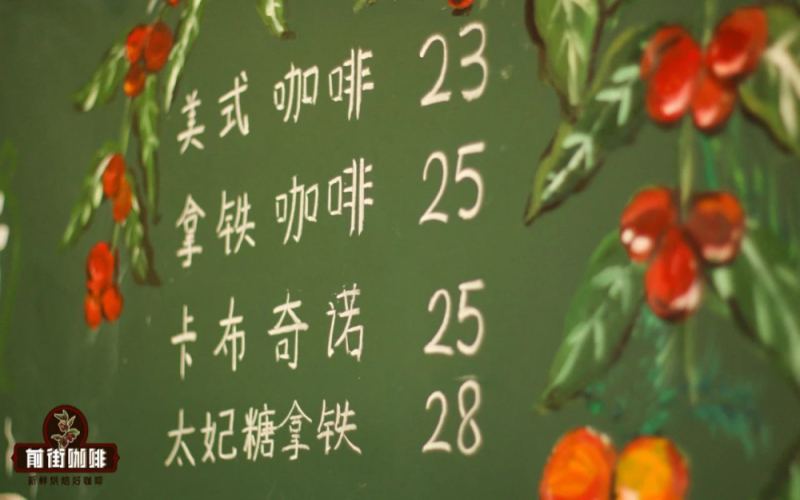
A Complete Guide to Italian Coffee: Methods and Flavor Differences of Espresso, Americano, Latte, Cappuccino, and Other Common Types
Walk into any café, and espresso is almost always a core option on the menu. When many people first encounter espresso, they often come away with nothing but the impression that it is "bitter," but in reality, the family of espresso-based drinks that has grown out of espresso as a foundation is far richer than one might imagine. From the pure, intense Espresso, to the Americano diluted with hot water, to the latte and cappuccino that blend milk and milk foam, and even the Dirty coffee that has become popular in recent years, each one has its own unique logic of ratios and layers of flavor. This article will systematically sort out the common types of espresso drinks, their preparation parameters, and their flavor characteristics, to help coffee lovers find the cup that suits their own taste. Front Street Coffee (FrontStreet Coffee) will also share the specific preparation methods for each drink for everyone's reference. [more…]
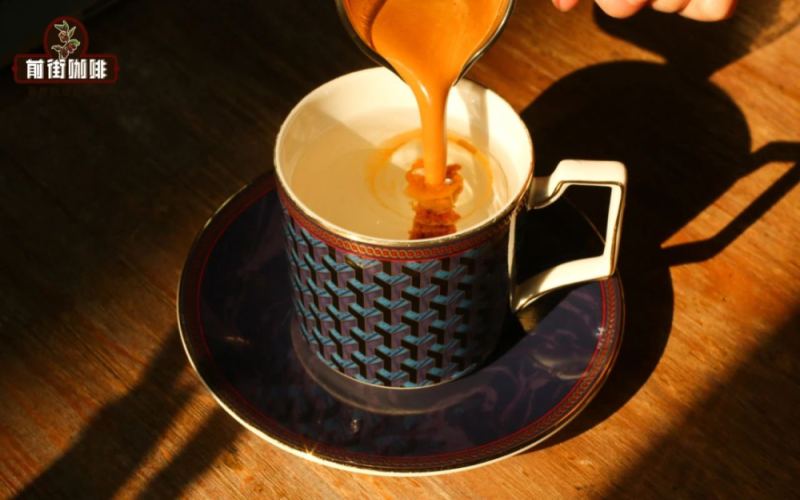
Italian Fancy Coffee Types | Introduction to the Differences and Preparation Methods of Espresso, Latte, Cappuccino, Mocha, Macchiato, Caramel Macchiato, and Dirty Coffee
For more specialty coffee knowledge, please follow: Front Street Coffee (Frontsteet Coffee). Espresso is a must-have beverage in every café. Many people's first impression of espresso is that it's just bitterly awful, but in fact Italian coffee isn't limited to such bitter espresso. If you want to drink something not bitter [more…]
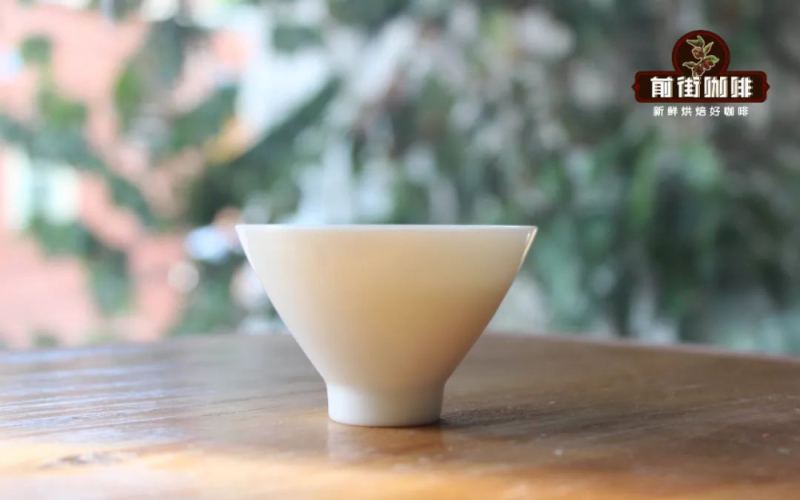
How the shape of the cup rim changes the flavor expression and drinking experience of pour-over coffee
When drinking pour-over coffee, does the shape of the cup really affect the taste? Front Street used three common cup types—wide-mouth, straight-walled, and tapered—to conduct a comparative tasting of the same coffee, and found that aroma, acidity, sweetness, and body all show noticeable differences depending on the rim design. Starting from cup type classification, this article combines the brewing performance of Guatemala Geisha, Brazil Queen's Estate, and Ethiopia Yirgacheffe Gutingding to analyze how different rims guide the flow of coffee liquid in the mouth and temperature changes, and offers cup selection suggestions for acidic, bitter, and aroma-forward coffee beans, helping coffee enthusiasts find a drinking method that suits them better. [more…]
A Complete Guide to Espresso: From Boiler Systems to Milk Frothing and Latte Art — Professional Fundamentals
Want to systematically master the underlying logic of espresso? This article provides a complete overview of the core knowledge system of espresso, from equipment principles to practical details. It first deeply analyzes the differences between four types of boiler heating systems and their impact on extraction stability, then explains one by one the selection of steam wands, the structure of grinder burrs, the matching principles of tampers, and key points for choosing latte art pitchers. In the materials section, it focuses on comparing the roasting differences between Northern and Southern Italian-style coffee beans and the logic for selecting suitable milk. Finally, it focuses on the five major variables of extraction and the six factors of milk frothing, and explains in detail the techniques for integrating coffee and milk foam. The full text balances theoretical depth with operational guidance, making it suitable for coffee enthusiasts who want to solidify their foundations to read carefully. [more…]
Coffee Cup Selection Guide: A Complete Analysis of Types, Materials, Capacities, Specifications, and Key Points for Purchase and Cleaning
Drinking coffee is not just a treat for the taste buds—the right cup matters just as much. This article systematically breaks down the differences between coffee cups and tea cups, the material characteristics of pottery, porcelain, and bone china, how the interior color of a cup affects the observation of the coffee liquid, and practical advice on choosing cup shapes according to the type of coffee. It also explains in detail the suitable scenarios for three capacity specifications—under 100cc, around 200cc, and over 300cc—and shares cup-warming methods, cleaning taboos, and bone china care guidelines, helping coffee lovers elevate their tasting experience through the details. [more…]
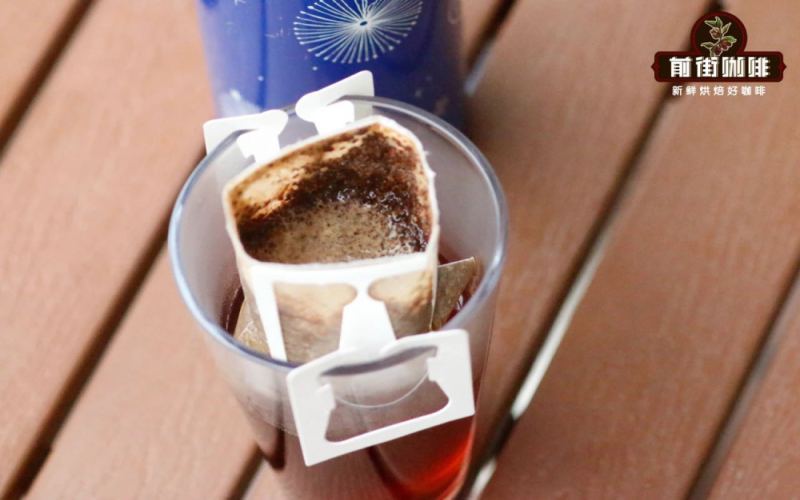
Drip Coffee Bag Hot Brew and Iced Brew Guide: Arabica Flavor Type Buying Tips
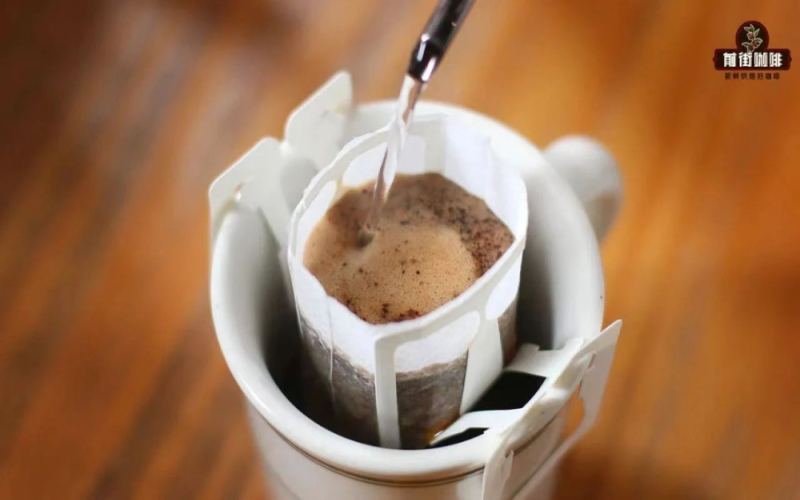
Wanting to easily enjoy a pour-over-level cup of coffee at home actually doesn't require buying complicated and expensive equipment—a pack of drip bag coffee can help you achieve it. But how exactly should drip bag coffee be brewed to taste good? What are the particularities of hot brewing and iced brewing respectively? Why can the same pack of drip bag coffee only be extracted once? This article will take Front Street drip bag coffee as an example, first quickly guiding you through the flavor tendencies of different Arabica sub-varieties, sorting out fruity-acidity type, full-bodied type, balanced type, and floral type one by one, then demonstrating step by step the specific parameters and pouring steps for both hot brewing and iced brewing, and finally explaining from the perspective of the proportion of soluble substances in coffee beans why drip bags are not suitable for repeated brewing, so that you can consistently produce a satisfying cup of drip bag coffee at home. [more…]
How to Choose Office Drip Coffee? Four Flavor Types to Suit Different Tastes, a Guide for Office Workers
In the fast-paced corporate world, coffee has long been an indispensable pick-me-up for office workers. In offices without a coffee machine, drip bag coffee, with its dual advantages of convenience and freshness, has quickly replaced instant coffee to become the darling of office workers. Faced with a dazzling array of drip bag products on the market, how can you precisely choose according to your personal taste? This article sorts through four flavor types—fruity and refreshing, tropical fruit, rich and nutty, and intensely fermented—one by one, outlining each one's flavor characteristics and representative single-origin products, along with popular recommendations from the Front Street Coffee brand, to help every coffee lover find the cup that best suits their desk. [more…]
Exploring Coffee Floral Aromas: Three Major Aroma Types and Flavor Analysis of Representative Coffee Beans
The aromatic world of specialty coffee is intricate and diverse, and floral notes are one of its most captivating elements. But with such a wide variety of floral aromas, how can we tell whether a cup of coffee has floral notes, and which type they belong to? Starting from the coffee flavor wheel, this article groups floral notes into three main categories: the fresh type represented by jasmine, the subtle type represented by rose, and the muted type represented by chamomile, and analyzes the characteristics and representative floral varieties of each. At the same time, drawing on three coffee beans—Front Street Yirgacheffe Guddina, Front Street Natural Hualkui, and Front Street Costa Rica Mozart—it explains the flavor expression of coffees with different floral types, helping coffee lovers capture and identify floral notes more accurately during tasting. [more…]
A Complete Guide to the Espresso Family: From Espresso Base to Specialty Drinks, an Overview of Common Types and Preparation Methods
Walking into any café, espresso is almost always the star of the menu. Many people's first impression of it stops at the intense bitterness of espresso, but in fact, the flavored drinks derived from espresso as a base are rich and varied, and there is always a cup to suit your taste. This article will systematically sort out the common types of Italian coffee, from espresso, Americano, latte, cappuccino to mocha, macchiato, caramel macchiato, and Dirty coffee, introducing one by one their flavor characteristics, ingredient ratios, and preparation methods, while also sharing Front Street Coffee's practical experience in bean selection and serving, to help coffee lovers understand the world of Italian coffee more comprehensively. [more…]
Espresso Explained: Ristretto, Normale, and Lungo Types and Key Extraction Adjustment Points
Espresso is the foundation of the Italian coffee system, and it is also something that many coffee lovers both love and fear. It is extracted in a short time through high temperature and high pressure, and the golden, dense layer of Crema on its surface is its hallmark. Depending on the extraction yield, Espresso can be divided into three types: Ristretto, Normale, and Lungo, each differing in concentration, flavor, and mouthfeel. This article will systematically sort out the core knowledge of espresso, from its definition and type classification to the adjustment of extraction parameters, and share Front Street Coffee's practical experience with brew ratio, grind size, water temperature, and other aspects, helping readers gain a more comprehensive understanding of the sophistication behind this small cup of coffee. [more…]
The Dutch Origins and Japanese Refinement of Cold Brew Coffee: A Full Analysis from Historical Roots to Brewing Parameters
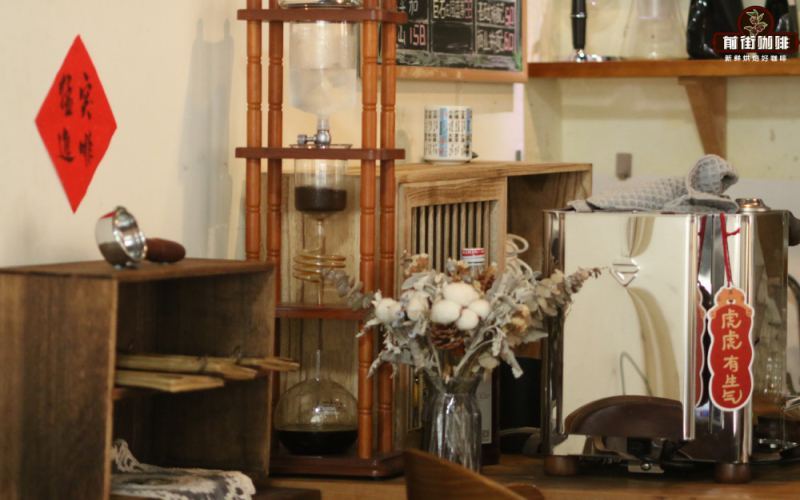
Did ice drip coffee really not originate in the Netherlands? Many friends who come to Front Street Coffee are drawn in by the sight of ice water slowly dripping through an ice drip brewer, and become curious about exactly what kind of coffee this is. Ice drip coffee requires a long, slow extraction of 6 to 8 hours, so its output is limited and it is often in short supply. This article will begin with the historical origins of ice drip coffee, clarify the relationship between Dutch coffee, ice drip coffee, and cold brew coffee, then introduce in detail the structure and use of the ice drip brewer, and share specific brewing parameters using Costa Rica Mozart coffee as an example. Finally, Front Street will also recommend coffee beans suitable for making ice drip coffee according to four directions—tropical fruit fermented type, light and clean type, sweet and delicious type, and flavor blend type—to help everyone make a cup of rich yet not bitter ice drip coffee at home. [more…]
Where Does the Sweetness of Black Coffee Come From? An Analysis of Roast Types and Pour-Over Extraction Techniques That Affect Sweetness
Many people believe that black coffee is only bitter and sour, but a good cup of coffee can indeed deliver a surprisingly sweet sensation. This sweetness does not come from sugar detected by taste, but from sweet aromas perceived through the sense of smell. Sucrose in green coffee beans is converted into substances such as caramel during roasting, and different roast levels present completely different types of sweetness. Front Street divides sweetness by roast level into the honey-fruit type, the chocolate-dried-fruit type, and the dark-roast sweet-aftertaste type, and recommends corresponding coffee beans for each. In addition, by adjusting the pouring technique and extraction rhythm of pour-over brewing, the sweetness of coffee can also be effectively enhanced. This article will systematically analyze the sources of coffee sweetness, the differences in sweetness across roast levels, and the brewing techniques that Front Street has summarized in practice. [more…]
A Beginner's Guide to Coffee Latte Art: A Complete Guide to Choosing Equipment and Tools from Espresso Machines to Latte Art Pitchers
Wanting to learn latte art, passion alone is not enough—choosing the right equipment and tools is the first step. This article is aimed at beginner baristas and systematically sorts out the various basic equipment needed to get started with latte art: from the differences and selection points of the four boiler systems in professional Italian espresso machines (single boiler, heat exchanger, dual boiler, multi-boiler), to the classification of steam wands and steam tip types, then to grinder burr types, tamper shape matching, latte art pitcher spout shapes and groove designs, as well as the logic for choosing materials such as espresso beans and milk. It also analyzes the influence of cup shape on latte art results and gives the key parameters for adjusting machine settings, helping beginners avoid detours and laying a solid hardware foundation for subsequent latte art practice. [more…]
The Difference Between Single-Origin Coffee and Blended Coffee: A Comprehensive Analysis of Types, Blending Methods, and Flavor Characteristics
For coffee enthusiasts, understanding the difference between single-origin coffee and blended coffee is an important step in exploring the world of coffee. Single-origin coffee centers on beans from a single origin, emphasizing the unique character of regional flavors; blended coffee, through the skillful blending of multiple beans, pursues balance and complexity in taste. This article systematically sorts out the definitions, representative types, blending ratios, and flavor characteristics of the two, from Blue Mountain and Colombia to Mandheling, from cappuccino to mocha, helping readers comprehensively master knowledge of coffee classification. At the same time, the article also specially recommends related products from Front Street Coffee, providing professional reference for your coffee purchases. [more…]
Espresso Flavor Analysis: Is Espresso Bitter, How to Taste It, and a Guide to Choosing Espresso Beans
Espresso is the drink least frequently ordered on its own in coffee shops, and many cafes even keep it hidden off the menu, making it only when a customer specifically asks. This article revolves around several core questions about Espresso: Is it actually bitter? How should you taste it? What makes it unique? Why do most cafes prefer to use espresso blends to make it? At the same time, Front Street Coffee has also put together several espresso bean recommendations suitable for stable extraction, covering a delicate winey type, a slightly acidic and full-bodied type, a balanced rich-aroma type, and a classic full-bodied type, for friends who want to recreate the espresso flavor at home. [more…]
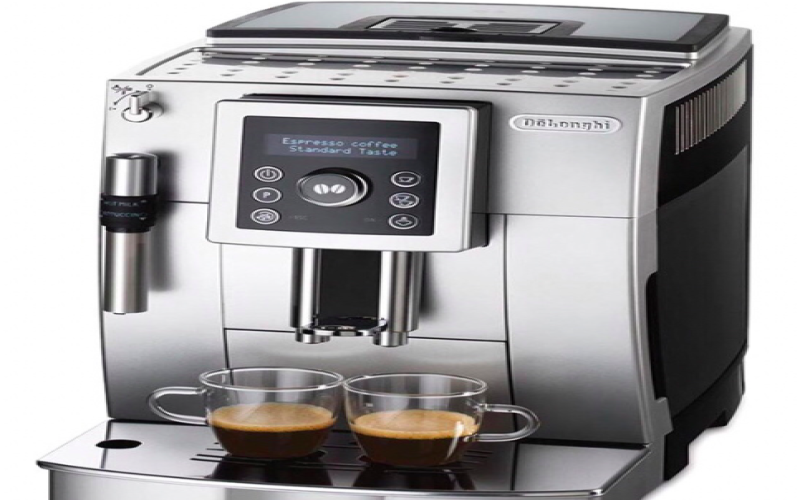
Automatic Coffee Machine Tutorial | What Type of Coffee Beans Are Suitable for Automatic Coffee Machines? 8 Recommended Specialty Coffee Beans for Making Americano with Home Coffee Machines
There are mainly two types of household coffee machines: one is the semi-automatic coffee machine, which requires more steps and parameters to operate, and the other is the fully automatic coffee machine, which with just one press of a button easily grinds coffee beans and brews a rich, aromatic cup of coffee, making it highly popular in homes and offices. It is precisely because of its simple functionality that making [more…]
Cold Brew Coffee Beginner's Guide: Differences Between the Three Main Types of Cold Coffee, Brewing Parameters, and Recommended Coffee Beans
In the heat of summer, a glass of ice-cold coffee always brings you back to life instantly. But did you know? Cold brew coffee is actually not a single category, but includes three different methods: ice drip coffee, iced coffee, and cold brew coffee. Each has its own flavor profile and brewing principles. This article starts with the origin and characteristics of ice drip coffee, explains its pros and cons in detail, the complete brewing process and parameters of Front Street Coffee, and recommends three coffee beans suitable for making ice drip coffee based on different taste preferences—dark berry type, clean and crisp type, and rich and sweet type—to help you make a smooth and delicious glass of ice drip coffee at home. [more…]
Types and Names of Tea Brewing Utensils with Illustrations: A Complete Guide from Kettles to Tea Pets
To brew a good pot of tea, understanding tea ware is the first lesson for beginners. In Lu Yu's tea art culture, predecessors used "TEA WARE" rather than "TEA TOOL" to refer to all utensils for brewing and drinking tea, which shows the pivotal position of tea ware in the way of tea. From the twenty-four items recorded in Lu Yu's "The Classic of Tea" in the Tang Dynasty to the four treasures of tea brewing in Ming and Qing Dynasties gongfu tea, the use of tea ware has long surpassed mere functionality and evolved into a tea ceremony ritual that is repeatedly performed and preserved. This article will systematically sort out the definition of tea ware under the cultural context of Taiwan, and introduce one by one the names, uses, and selection points of common utensils such as the water-boiling kettle, teapot, lidded cup, fairness cup, aroma cup, tasting cup, tea scoop, tea holder, tea strainer, tea knife, and tea pet. Whether you are a beginner just starting out or an enthusiast who wants to refine your tea skills, this comprehensive guide to tea ware can help you build a clear cognitive framework. [more…]
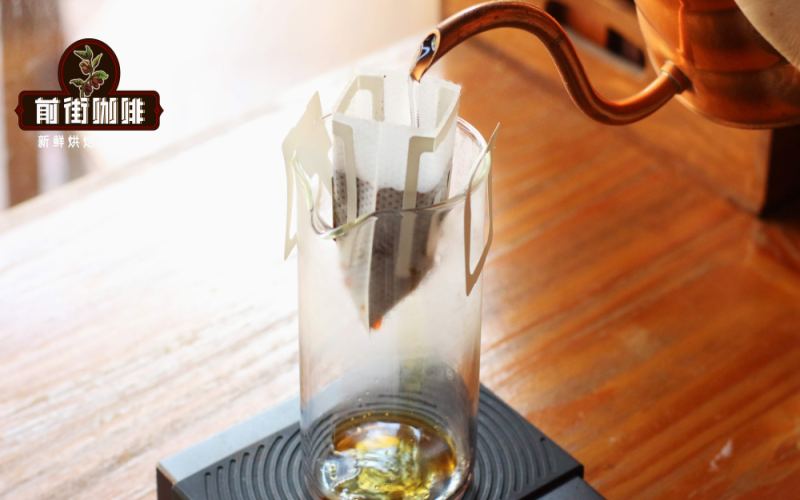
Should You Steep Drip Coffee? A Complete Guide to Brew Time, Water Temperature, Cup Type, and Water Volume, Plus 5 Seasonal Front Street Coffee Drip Coffee Recommendations
Drip bag coffee has become the top choice for many people when they are out and about, thanks to its advantages of simple operation, rich variety, and the ability to enjoy fresh black coffee anytime, anywhere. But do drip bags really need to be soaked? How long should a cup take to brew? How should you control the water temperature, cup type, and water amount? This article explores the brewing principles and practical details of drip bag coffee, explaining that, like pour-over, it relies on hot water flowing through the coffee grounds to complete extraction, and provides references such as staged pouring and a total time of 1 minute 20 seconds to 2 minutes. It also summarizes the flavor characteristics of Front Street Coffee's 5 seasonal drip bag coffees, including Huakui, Yirgacheffe Gidding, Indonesian Mandheling G1, Yunnan Small Bean, and Brazil Cerrado Red Bourbon, making it easy to choose according to taste preferences. [more…]